Mysteries of the Chine

Replacing the chine logs was at the top of the list going into Irene Agnes’ restoration. The planks at the chine were soft, and the rust from the old steel fasteners was visible on the frames from the inside.

Removing the old chine showed just how bad it was. This wood and hardware may have been original to the boat’s framing in the early 1930s, and it had decayed badly. Some of the steel fasteners barely still existed.
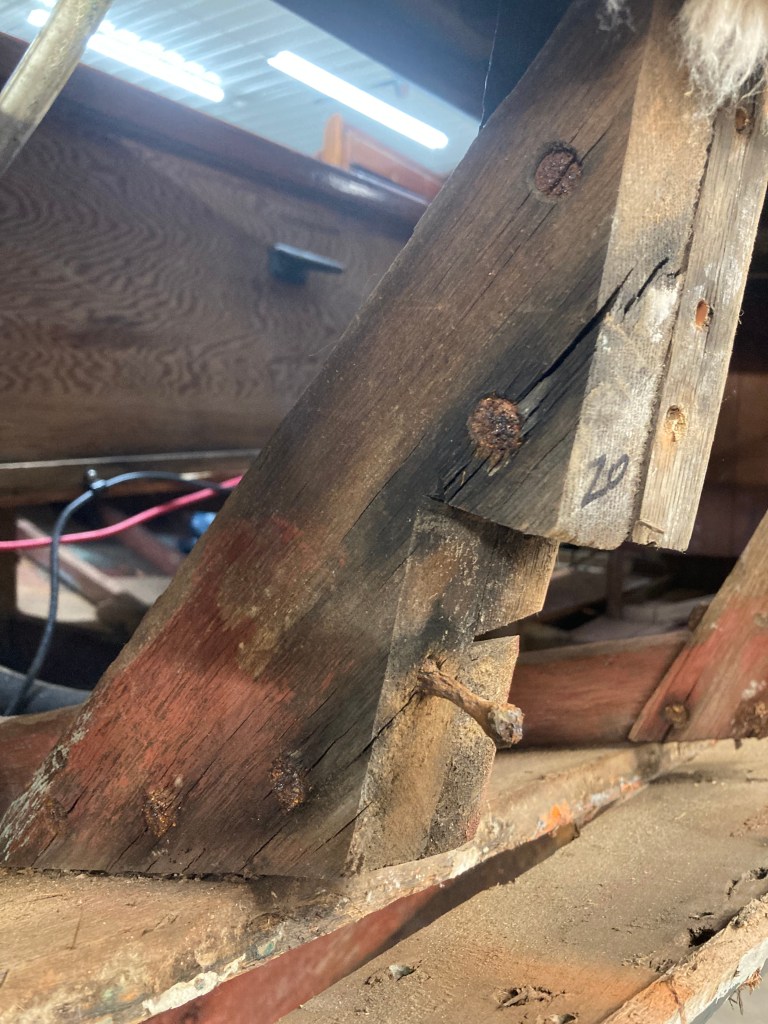
Original gusset with corroded chine fastener. [Padanaram Boatworks photo]

Gussets vs Knees

For the most part, the chine was fastened to the gussets that bolted to the sides of the frames at the chine, rather than the chine fastening directly into the frames themselves. This was great, as replacing the iron-sick gussets was relatively easy, compared to replacing frames — only a couple of which needed replacement. However, these gussets do not show up on the redrawn plans currently being sold by WoodenBoat, which raised a bit of a mystery: Where did the gussets come from? Was this just an alteration by the boat’s original builder?
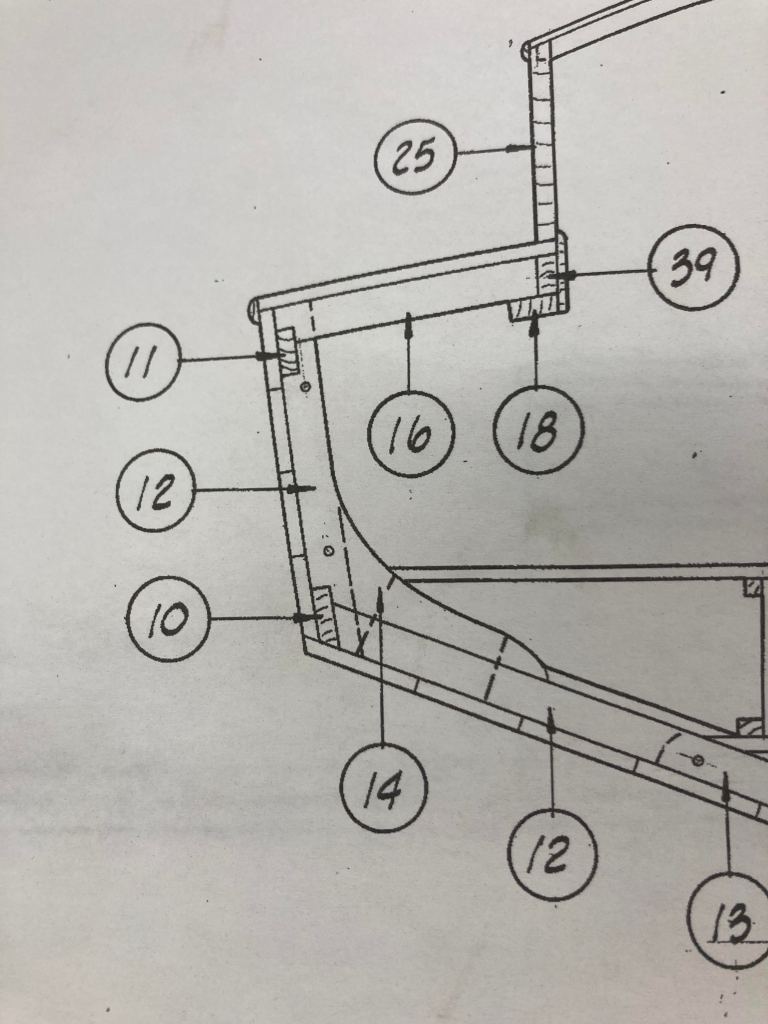
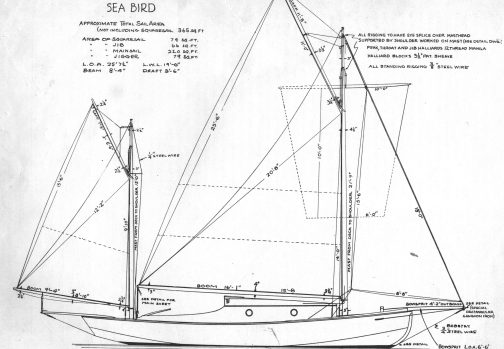
Internal knees (#14) as shown on WoodenBoat’s redrawn plans (1981).
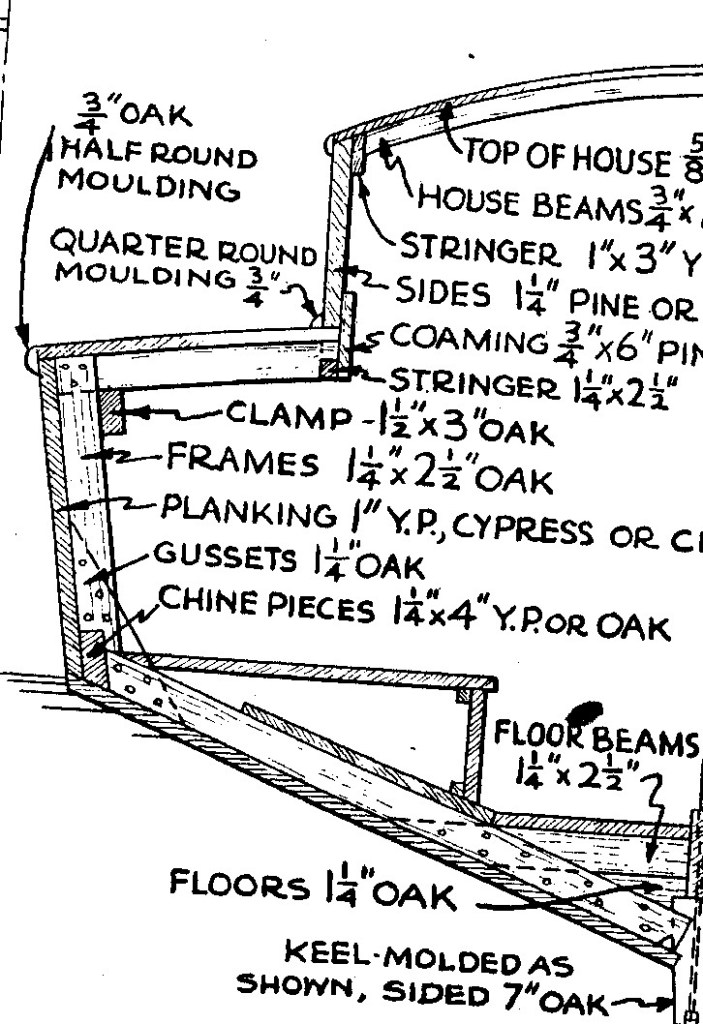
Gussets shown in the revised 1934 edition of How to Build a Cruising Yawl.

It turns out the original Sea Bird design did not use gussets, but rather incorporated internal knees made fast to the frames, similar to the current plans. However, in 1934, The Rudder revised the construction plans and their accompanying book How to Build a Cruising Yawl. Their new edition replaced the internal knees with gussets bolted to the frames. When WoodenBoat had the old plans redrawn for publication in 1981 by Dave Dillion, they went with the original arrangement. The month after the new plans were released, a Sea Bird fan and builder, Ted Lamary, criticized the publisher for the decision in a letter to the editor.

“The ‘old’ construction method will most certainly build a strong craft, but the method is bothersome and perhaps clumsy, at least to a lazy man like me,” Lamary wrote.

WoodenBoat responded, confirming that they had made a conscious decision to go with the older knee arrangement for mostly aesthetic reasons. “Our objections, admittedly subjective, were to the ‘busy’ appearance of gussets where show up inside the finished hull, and the fact that such gussets are dirt catchers. Somehow Larry Huntington’s way of building the original SEA BIRD, with grown knees reinforcing the chine and all, held more charm for us.”

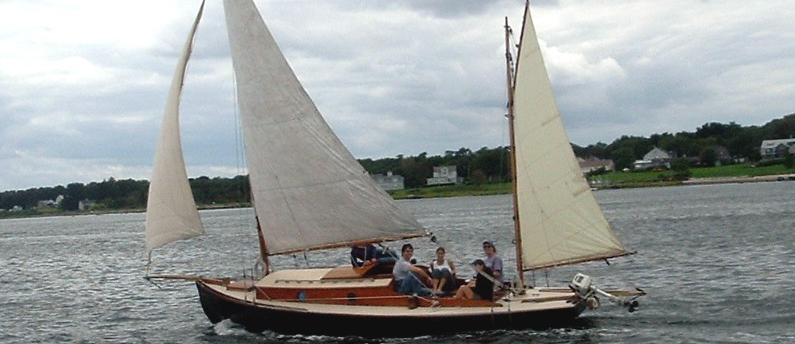
The internal knee structure can be seen on Ida Rose, a centerboard Sea Bird built by professional builder Alex Hadden in Maine in 1987. Hadden did some extensive work on Irene Agnes a couple years later, but Aggie’s chines were not replaced or altered at that time. Still owned and sailed by Hadden, Ida Rose was featured in a 2012 issue of Small Boats Monthly, a magazine published by WoodenBoat.
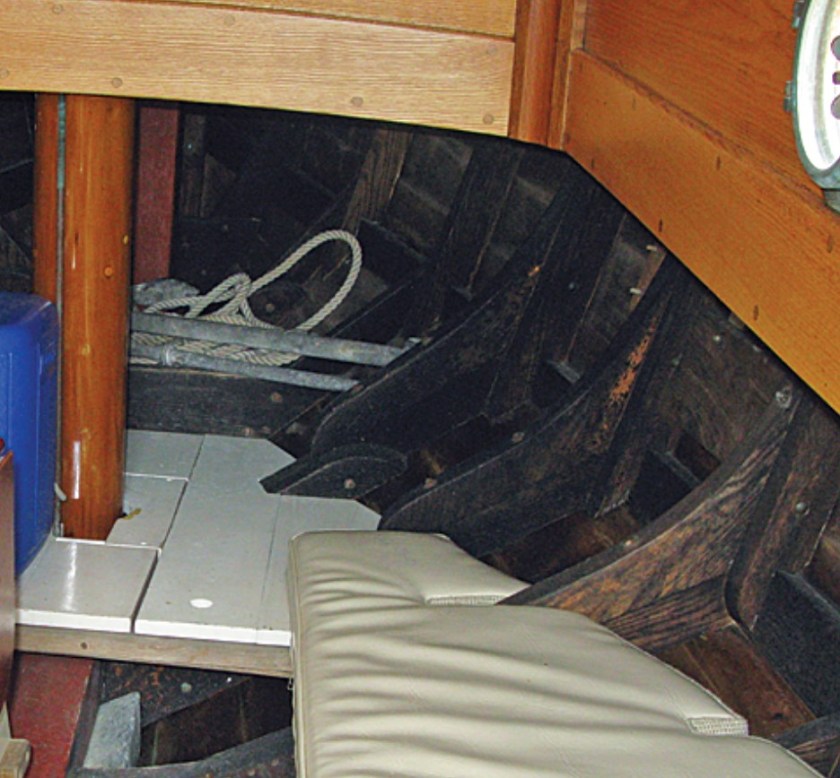
The internal knees on Ida Rose, built in 1987 by Alex Hadden. [Small Boats Monthly photo, 2012]

While the gussets are easier and certainly simplified the replacement of the chine, I can appreciate the strength and elegance of the internal knees. Dave Strecker at Padanaram Boatworks, which is doing the work on Aggie’s current restoration, says he would go with the knees building one from scratch today, and I’m inclined to agree.

However, knowing that Aggie has gussets suggests when the boat was originally framed. The Rudder‘s plans and booklet, How to Build a Cruising Yawl, were revised in 1934 to show gussets and a change to the clamp. Presumably, Aggie’s builder had access to the revised edition, which would put the date of framing after that release. Unless, the gussets are not, in fact, original but were part of a later reframing. Extensive work was done on the boat in 1940.

Bevels and Bends

One of the original goals of the Sea Bird design was to minimize the number of bevels on the boat, making as much as possible able to be replaced with square stock. The chine is definitely the exception to this.

Following the plans for the chine as well as mapping off the old one, Dave and Keith Brown found a big shift in the bevel along the entire run of the hull. They’ve done an awesome job shaping the new chines to meet the bevel. The chine also takes quite a twist and lift as it approaches both the stem and stern. The new chine was steamed into place at the ends to meet this.
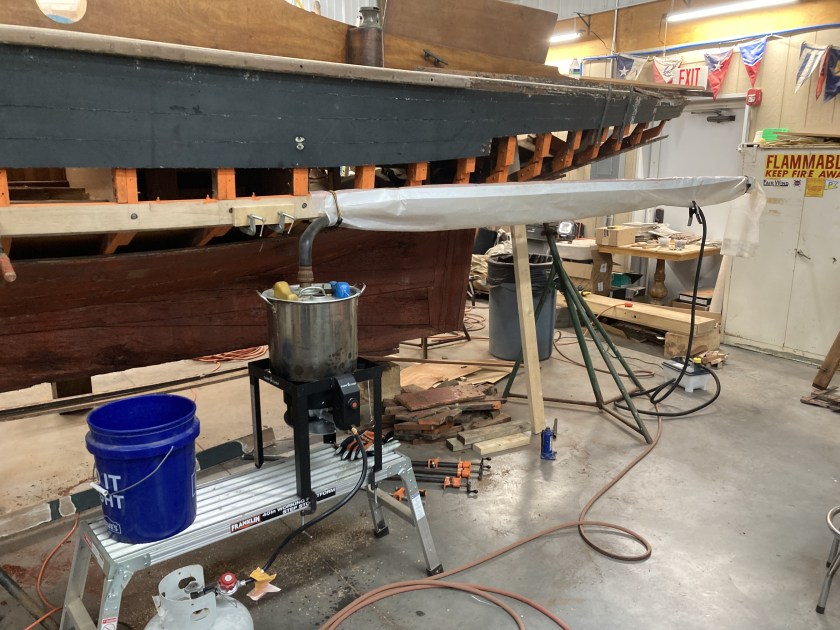
Steaming the aft end of the chine log. [Padanaram Boatworks photo]

This is one area of building a new Sea Bird that’s worth noting, but doing it right – particularly at the bow – is central to the boat’s seakeeping performance. At the stem, the chine does not meet flat, but rises up to create the appearance of a curved bow. As a result the boat sheds waves excellently, staying very dry on deck while neither bouncing badly over them nor burying deeply into them.
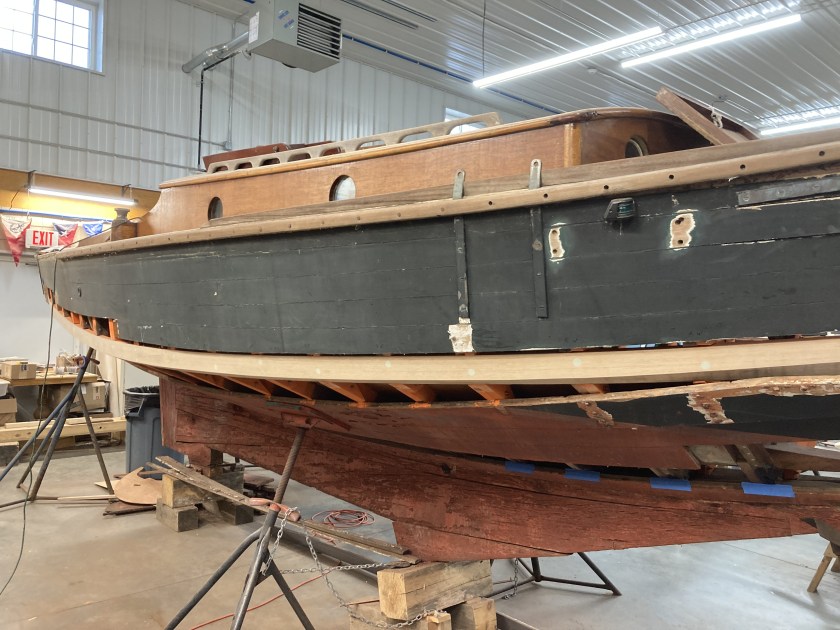
The new chine log showing bend and bevel. [Padanaram Boatworks photo]

Each of the gussets also is shaped individually to take the angle of the frames at each station. As they pulled the old gussets, Dave and Keith kept them numbered and cut new ones off the old. Replacing all the gussets was a huge part of ridding Aggie of the last of the galvanized steel fasterners. Most of the plank fastenings had been replaced in bronze in earlier restorations and work, and the remaining ones were replaced along with punky planks in this work.
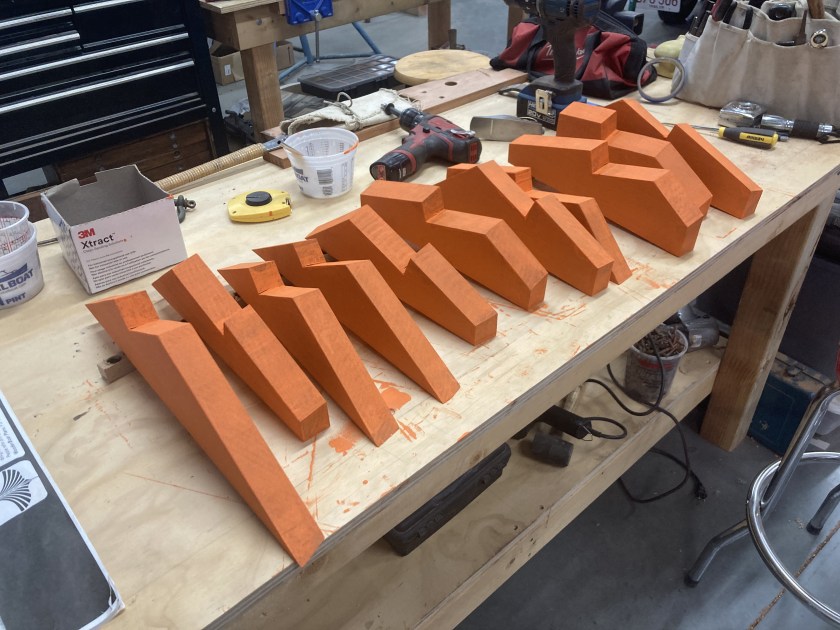
New gussets specific to each station. [Padanaram Boatworks photo]

Unfortunately, pulling planks to access the chines and gussets, and springing their ends at the bow and stern, uncovered other issues, particularly with the stem and transom. But that’s another story.

Subscribe to be notified of new posts and other resource additions to the site:

One response to “Mysteries of the Chine”

  1. Michael Avatar
    Michael

    I built a seabird in austin Texas and sailed her in harwich since 1985. Happy to take anyone sailing 2816364146. Tall rug with cv. Big sunfish. Egypthershey@ yahoo.com

    Like

Leave a comment

A Sea Bird Flies to Havana

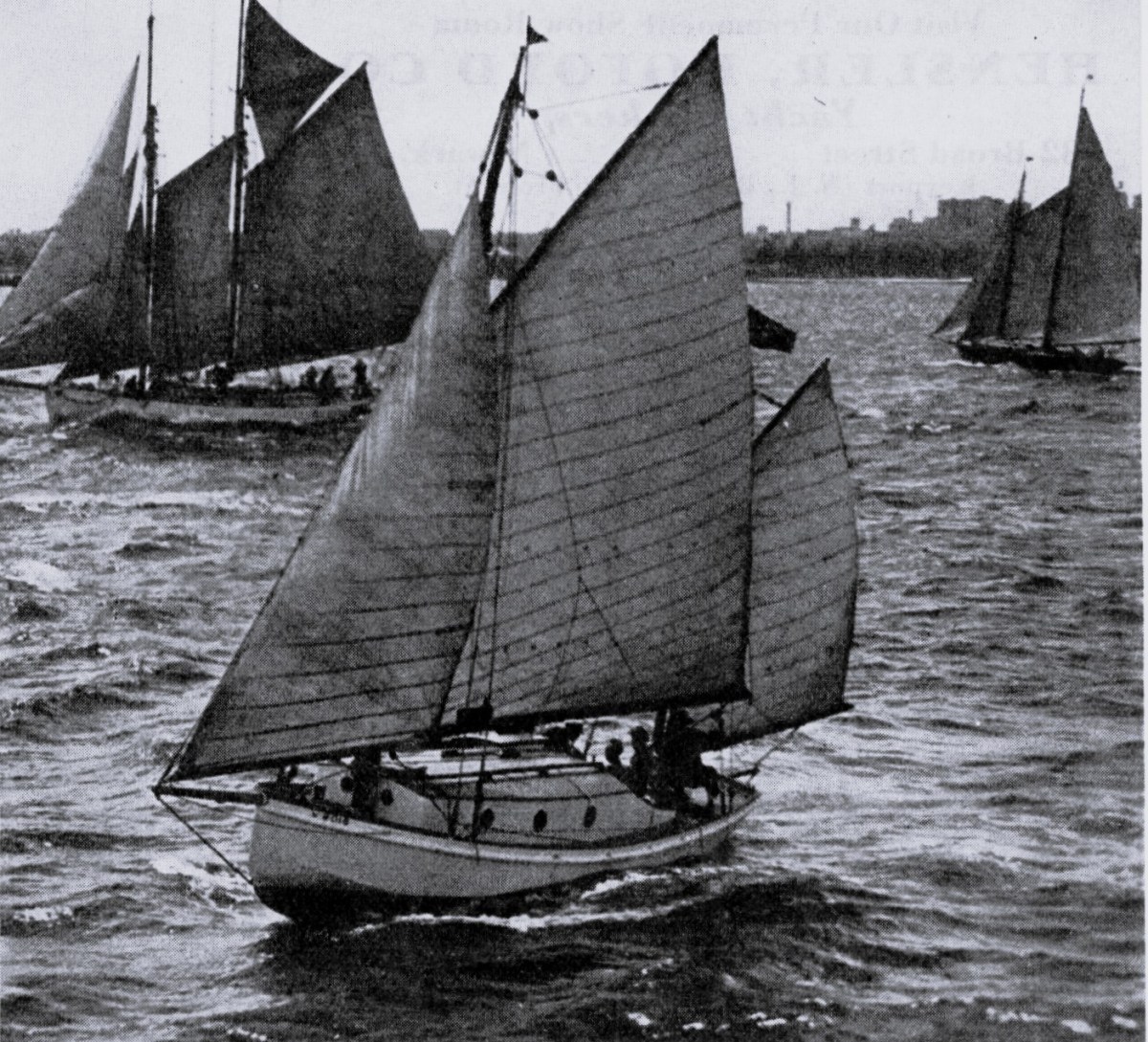
Thomas Fleming Day founded and organized numerous yacht races, including some of the most famous offshore races, but he was quite clear about the limitations of the Sea Bird design: It was not going to win races.

“Now if you build her thinking you are going to get a boat that can sail match races with other boats of her length you are laying up disappointment,” he wrote. “She is not a fast boat, and no boat of her build and shape ever has been or ever can be.”

Unfortunately, Day did not live long enough to see a Sea Bird win its class in just the kind of offshore race that he had popularized – the St. Pete-Habana Yacht Race.

No, it was not our Irene Agnes, but one of the many other notable Sea Birds of the design’s history: Maralen II. And while not a match race, it was the just the kind of race to showcase the Sea Bird’s ability in a variety of offshore conditions.

Running down to Cuba

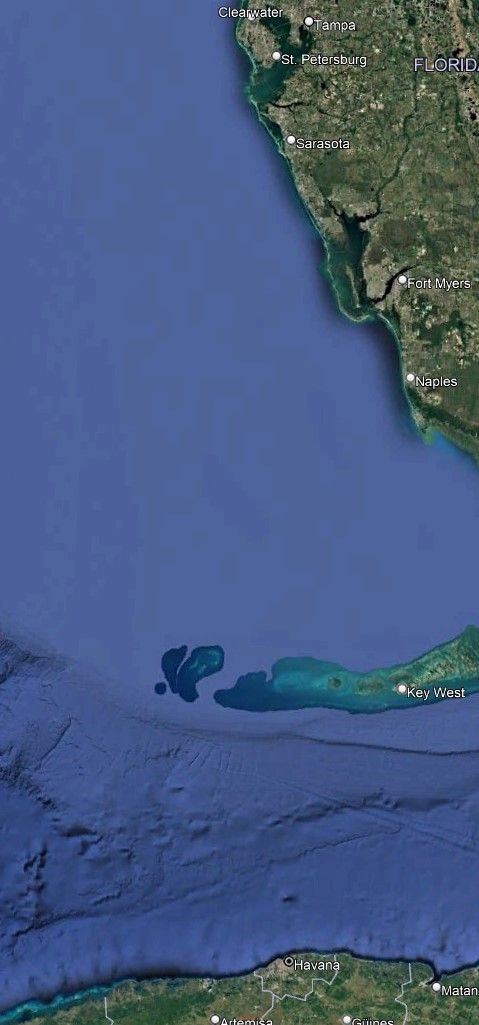
In 1930, just three years after Day died, the St. Petersburg Yacht Club on the Gulf Coast of Florida joined with the Habana Yacht Club in Cuba to start a race from St. Pete to Havana, a track of about 300nm. The race was the brainchild of George “Gidge” Gandy Jr., a Tampa developer whose father had built the first bridge across the bay to St. Petersburg. He saw the race as a promotion for the Tampa Bay region, still struggling through the Great Depression.

Havana had long been a popular destination for American yachts and sportfishermen, made more enticing by Prohibition. For yachtsmen managing to avoid the worst of the Depression, here was a warm-weather diversion that ended in a place where you could still get good rum.

St. Petersburg, FL to Havana, Cuba. [Google Earth]

The course itself also posed interesting racing challenges. After making their way out of Tampa Bay, the yachts sailed south toward the Florida Keys where decisions had to be made about where and how to pass among the islands and reefs. Once through or around the Keys, the race crossed the often-turbulent Gulf Steam to Cuba forcing the boats’ navigators to compensate for the current in order to arrive at Havana.

St. Pete’s Sea Bird

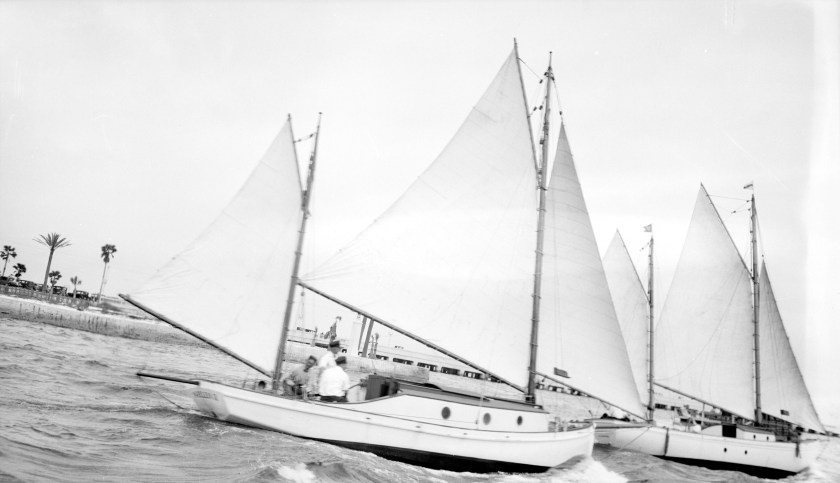
In March 1930, a group of 11 boats set off on the inaugural race. Among them was Maralen II, a Sea Bird yawl owned by Lew McMasters, then the Commodore of the St. Pete Yacht Club. According to stories passed down by the McMasters family, Maralen II placed third that year. She raced again for several years each year after.

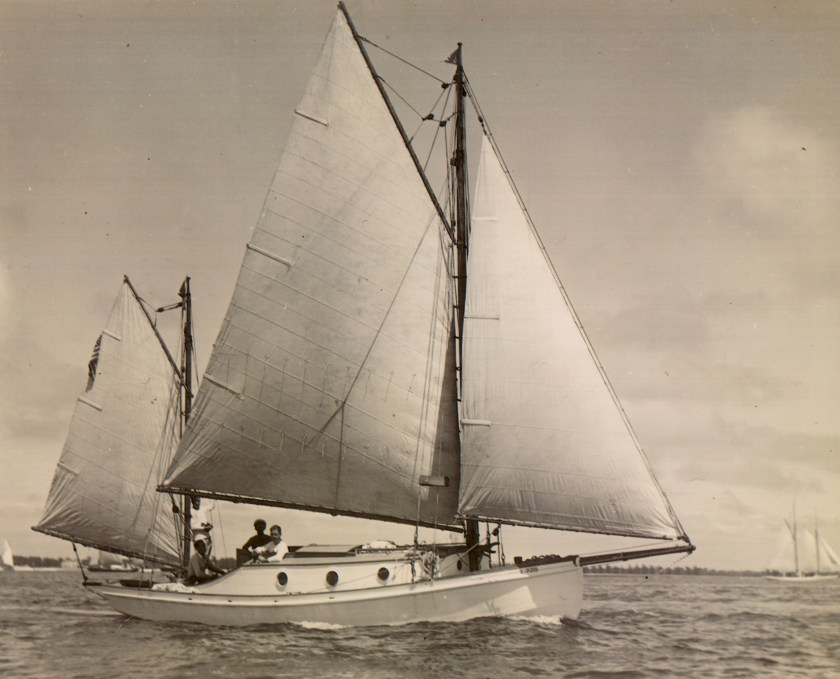
Maralen II sailing out of the St. Pete yacht basin.

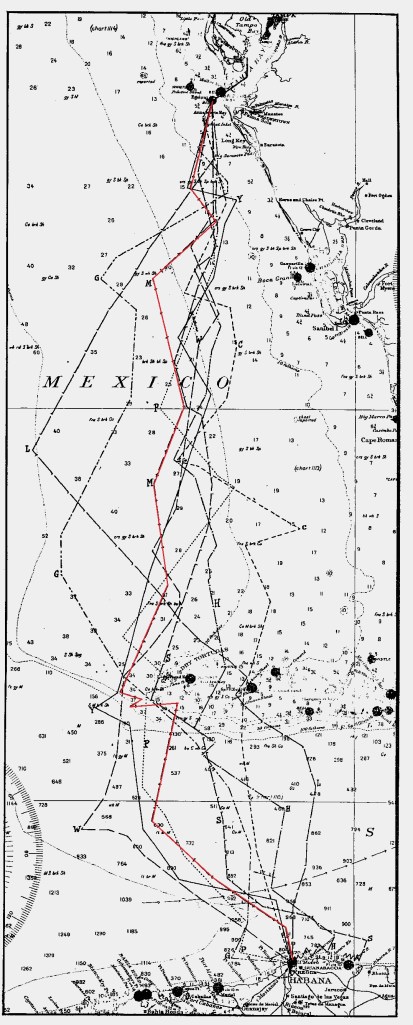
McMasters sold the boat prior to the ’32 race, but the new owner, Kent Curtis of Captiva, entered again in 1932 and ’33. In the 1932 race, after a passage dominated by light, shifting breezes, Maralen II beat out race organizer Gidge Gandy’s 36-foot yawl Cynosure by less than an hour on corrected time to win first place in Class B.

Curtis had opted to go west around the outside of the Dry Tortugas, cutting back close along the reef line before turning south to cross the Gulf Stream. Several other yachts in the race had opted to cut east of the Tortugas, hoping for a straighter line to Havana, but when the wind died halfway across, a couple of them were swept further east and had to beat their way back along the Cuban coast to get to the finish line. Curtis rode the Stream right back to Havana, making his Sea Bird the third of the nine boats to cross the line.

Tracks of the yachts in the 1932 St. Pete-Habana Race. Maralen II is in red. [Yachting magazine, June, 1932]

After a break during World War II, the St. Pete-Habana Yacht Race continued until the Cuban revolution in 1959 prevented further visits to the island. In 2017, the race was resurrected following the normalizing of relations with Cuba by the Obama administration, but it was short-lived. The Trump administration’s reversal of Cuban policy and the pandemic ended the annual race after 2019. The McMasters family remained active in the yacht club and the race throughout its history.

Racing Maralen II was just one of Kent Curtis’ adventures. He had been a WWI fighter pilot who was shot down and became a German prisoner until the end of the war. Wintering in Captiva, Florida, in the 1920s, he wrote a series of highly successful children’s adventure stories set in the Florida islands. A consummate outdoorsman, he spent his summers managing a summer camp that he owned in Minnesota, Camp Mishawaka, which still operates today. He died in Fort Myers, Florida in 1957.

Mysteries of Maralen II

Details of Maralen II’s history are unclear beyond her association with the race. She shows up in accounts and photos from the race in The Rudder, and in the history of the St. Pete Yacht Club. The McMasters family and their involvement in the race was the focus of a lot of press attention when the race was resurrected in 2017, but beyond mentions of Maralen II sailing in the race, the boat’s origin and fate do not appear. I have not tracked down when or to whom Curtis may have sold Maralen II.

Maralen II in 1932.

Photos of the boat appear to show a Sea Bird built pretty well to design, at least as can be seen from the waterline up. Maralen II’s rig featured particularly deep-cut sails. Like a lot of Sea Birds, it appears she had a wider and taller housetop, providing additional room below and higher coamings around the cockpit. A toerail of several inches surrounds the deck with scupper holes at intervals.

Maralen II was definitely a notable Sea Bird, and I would love to learn more about the rest of the boat’s history, including who built her, where and when. I’m hoping to continue doing more research on her in the coming year and will update this post with any discoveries.

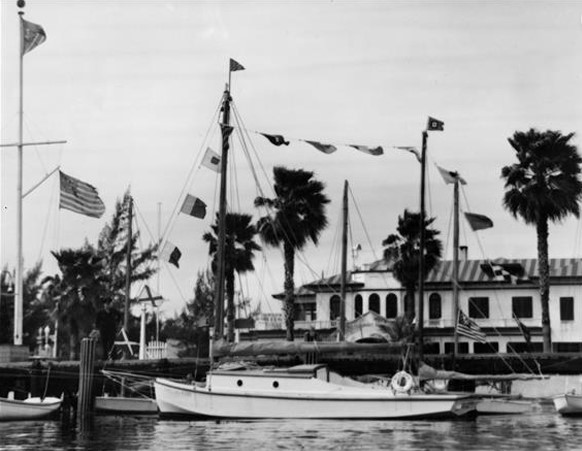
In the meantime, reviewing imagery from the St. Pete Yacht Club and the race in the 1930s has shown that there was a second Sea Bird at the club at the time. A Sea Bird with a lower housetop and a marconi mizzen appears dressed in flags in front of the club, and was present at the start of the 1932 race, but did not participate.

A second mystery Sea Bird adorns the St. Pete Yacht Club in the early 1930s.

If you have answers to any of these questions, please reach out. We’re eager to learn more about these Birds.

Subscribe to be notified of new posts and other resource additions to the site:

Leave a comment